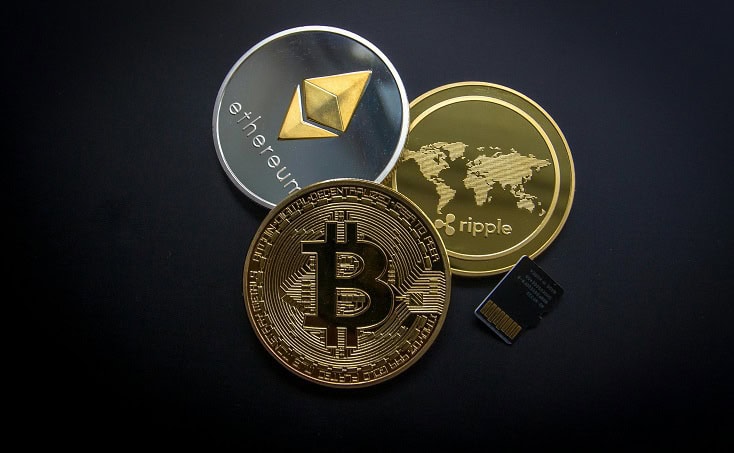
As digital finance keeps evolving, traders and tech-savvy investors are diving deeper into cryptocurrency basics to understand how this asset class fits into a modern portfolio. From speculative gains to decentralized networks, crypto offers a radically different approach to value exchange.
Programs like the WhiteBIT broker program have made it even easier for traders and partners to explore this ecosystem with better support, liquidity, and trading tools.
So what exactly is crypto, how does it work, and why does it stir up both hype and skepticism?
How Cryptocurrency Works — Simplified
At its core, cryptocurrency is digital money powered by blockchain technology — a decentralized ledger that records transactions across thousands of nodes worldwide. This means there’s no central authority (like a bank) calling the shots.
Each transaction is verified by network participants using consensus mechanisms like Proof-of-Work (used by Bitcoin) or Proof-of-Stake (popular with Ethereum 2.0). Once verified, it’s permanently recorded in a block — transparent, timestamped, and tamper-proof.
New coins can be minted via mining (energy-intensive computations) or staking (locking funds to secure the network). Either way, this process ensures trustless peer-to-peer value transfer.
Types of Digital Currencies
The crypto space goes way beyond Bitcoin. Here’s a quick breakdown of common digital currencies:
- Bitcoin (BTC). The OG — mainly used as a store of value and hedge against inflation.
- Ethereum (ETH). Fuels a smart contract platform enabling DeFi, NFTs, and dApps.
- Everything from utility tokens to governance coins — think Solana, Avalanche, and Chainlink.
- Meme coins. Started as jokes (Dogecoin), but some have built real communities and surprising valuations.
- Pegged to fiat (like USDT or USDC), offering lower volatility for trading or saving.
Each token serves a purpose — whether it’s facilitating decentralized finance or enabling new kinds of digital ownership.
Pros and Cons of Cryptocurrency: Boom or Bust?
The upside:
- High growth potential. Long-term hodlers of Bitcoin have seen eye-watering returns.
- Crypto removes intermediaries, giving people financial freedom.
- Borderless transactions. Sending funds globally becomes faster and cheaper.
- Passive income. With staking and yield farming, investing in cryptocurrency can generate rewards.
- New opportunities. From microfinance to smart contracts, the innovation is explosive.
The risks:
- A 10% price swing in a single day isn’t unusual.
- Security threats. Without strong cryptocurrency security measures or trusted cryptocurrency wallets, users risk hacks or losses.
- Environmental concerns. Some networks consume massive energy (though this is improving).
- Regulatory uncertainty. Future crackdowns or tax changes could shake the market.
- Scams and rug pulls. Not all crypto exchanges or projects are legit — DYOR (do your own research) is more than just a mantra.
Cryptocurrency Regulations and Taxes
This is the trickiest area, and it is still evolving. Most countries, including the U.S., don’t recognize crypto as legal tender. Instead, it’s taxed like property. If you sell crypto at a profit, that’s a capital gain. If you earn it — say through mining or staking — it’s taxed as income. Traders should also be aware of reporting obligations, especially if operating across multiple platforms or jurisdictions.
Cryptocurrency regulations are heating up globally. Some lawmakers want to treat certain tokens like securities. Others call for more tax transparency and stricter KYC (Know Your Customer) rules.
Navigating these waters will require staying updated, especially as institutions enter the space in droves.
Understanding cryptocurrency basics isn’t just for early adopters anymore. With crypto creeping into traditional portfolios and mainstream headlines, knowing how cryptocurrency works, what risks it carries, and how it’s regulated is key for anyone looking to take part.
Whether you’re exploring crypto exchanges, diving into cryptocurrency wallets, or staking your way to passive income, one thing’s clear — the crypto revolution is already here. The question is: Are you ready to ride the next wave?